
$0.00

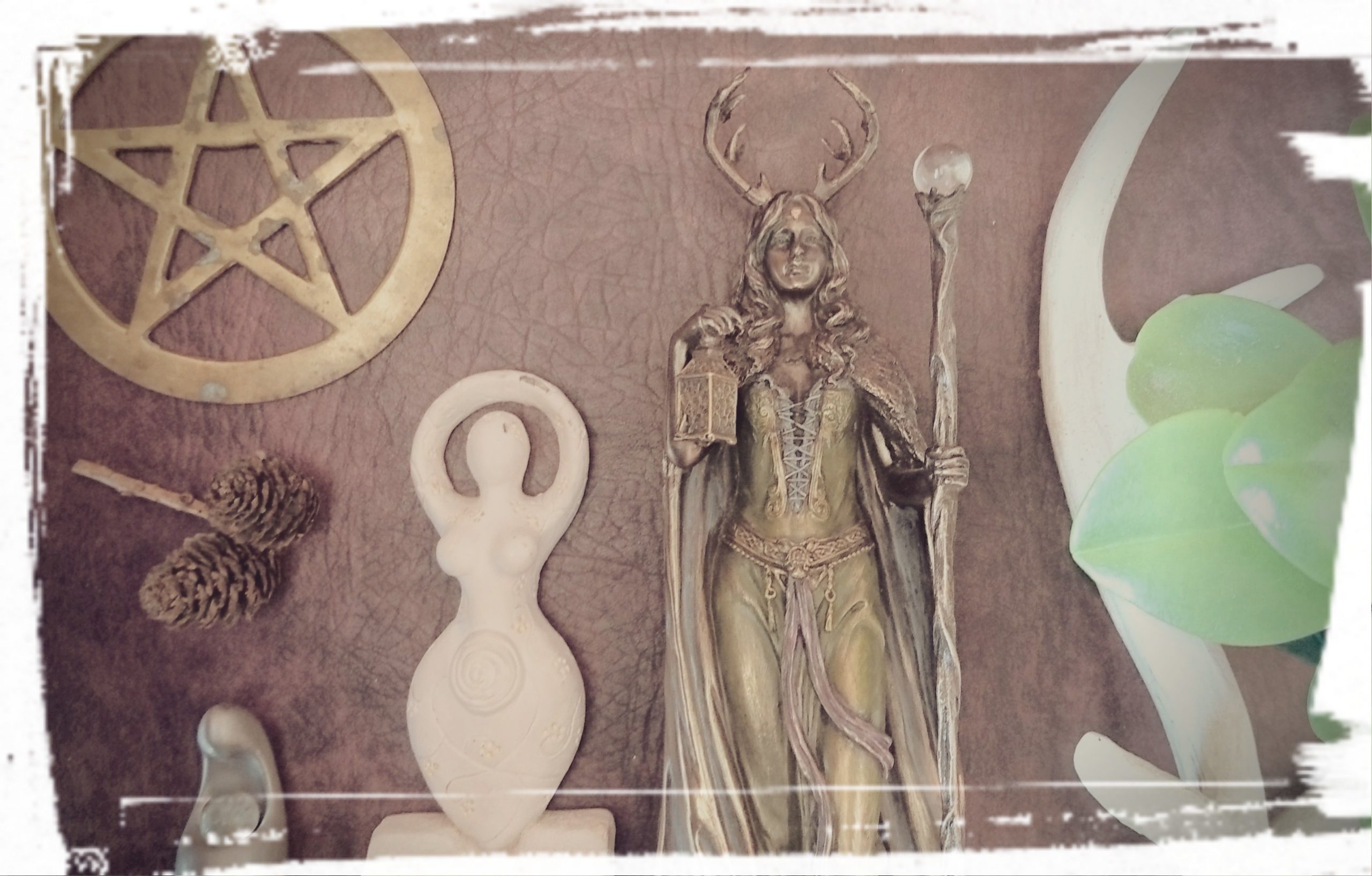
Crisis of faith: Cultural appropriation
I asked a simple question in one of my Facebook groups recently, wanting to know how other socially aware Wiccans had reconciled the overwhelming gender binary within the religion, and I was met with a resounding response of “I left Wicca” instead. Why? Not only does the structure of many rituals and beliefs leave out LGBT people but the whole religion is rife with cultural appropriation.
I’ve had wind of that for a good while now; we’ve all seen the “white people can’t have spirit animals” and “stop calling it smudging, you sound like an idiot” posts but it can be difficult to see how what one does in their own practice in their own home hurts anyone. Except, come on Miriam, your practice is very much public. When you know better, you need to do better.
Thus my crisis of faith. I’ve spoken for years about how I don’t align with British Traditional Wicca (BTW) or the man who started this modern movement. That the poetic history of witchcraft doesn’t have a lot of basis in fact, and how after a stint in my teens where I wanted to call myself anything but Wiccan, I can say for certainty Wiccan is what I am. (The book-learned solitary variety.)
In particular, I take The Rede very seriously. I like having rules to guide my energy work even if I don’t particularly need them. I fall back on the Lady and Lord of Wicca, particularly in light of the appropriation debate, because I would love to worship the gods and spirits of Australia but I don’t know them and I’m invader stock anyway. The indigenous people here don’t owe me anything, least of all access to their spirituality.
Eclectic Wicca seems to say “you can worship as you want within a certain framework, so long as you harm none,” and that freedom is one of the things most attractive about Wicca to a lot of people. Wicca is whatever you want it to be, no matter who you are. Except taking from other cultures like you’re at a spiritual buffet is hurting people. The most vulnerable people.
During the course of my research I came across a concept known as Pop Paganism, which is essentially the incorporation of popular culture into ritual, worship and magick. Through Pop Paganism a witch could adopt the crew of Starship Enterprise as their pantheon or Pokemon as spirits to call upon. It sounds hilarious, and by all means let’s take a moment to have a laugh at the idea of Dani and Jon as altar idols, but when we’re done we need to face the fact that there’s no reason Pop Paganism wouldn’t work.
In the second half of last year I began dedicating some of my practice to Caffeina, the Goddess of productivity and contentment. Ten minutes on your search engine of choice will tell you Caffeina is a modern Goddess. A made-up Goddess. She has no historical basis. And yet I can connect to her just as readily as any of the other deities I’ve been drawn to over the years, and when I pray someone answers. In my hour of need, I’m just as well provided for as I always have been.
My mother-in-law would say that’s because “the enemy” is answering, pretending to be divine. Satan. If that’s the case, he seems to want only good things for me and my family and has asked nothing in return. Yet.
Either way, cultural appropriation goes beyond gods and spirits. Wicca has drawn inspiration or outright lifted from pretty much everywhere and I’m to the point where I can’t trust it to be genuine. That’s not to say I thought it was an ancient religion enjoying a revival, but twenty years ago I didn’t grasp how little of pre-Christian Europe we could be certain of. Wicca has become a bit like cuddling up to a patchwork quilt made of underwear stolen from every line in the city.
In the coming weeks I’ll be making a list of all the things Wicca has borrowed or broken, delving deeper into modern gods and really looking at how religious practice is constructed, while I try to figure out where I belong and what I’m leading my family into.
What I do know is this:
- British Traditional Wicca isn’t much like mainstream Wicca at all.
- I have no interest in BTW
- Witchcraft isn’t a religion. It’s a practice. Any person can be a witch. I’m looking for religious witchcraft.
- This blog is great for deepening your understanding of this issue if you want to continue reading.
- I appreciate you sticking with me while I wrestle with these issues. As my education and morals evolve, so too must my religion.

Miriam Cumming is the author of two YA fantasy books for Wiccans. She lives in Sydney with her three little goddesses, wonderful husband (7 years married today!) and a demon-spawned cat who loves to snuggle when it’s cold. Miriam puts a shitload of effort into her Instagram and Facebook, so you should totally follow her there.